Roof Shingles
How Often Do Colorado Residents Replace Their Roof Shingles| Team info | |
|---|---|
| Description | 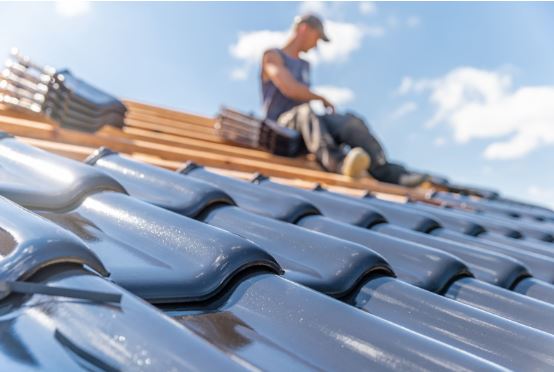 Colorado homeowners think about their roofs more often than people in many other states, partly because the weather here changes fast and hits hard. The mix of sun, snow, hail, and high winds puts stress on shingles, and it shortens the lifespan compared to milder climates. Some folks learn this the hard way, especially after a sudden hailstorm leaves dents and loose granules everywhere. Many homeowners work with Colorado roofing and restoration companies after storms, but routine upkeep matters just as much. Most people expect a roof to last a couple decades, yet in Colorado that timeline can shrink because of the variety of weather shifts within the same week. The result is that even well-installed shingles need attention sooner than expected. Homeowners who pay attention to subtle signs of wear tend to save money, while others end up replacing things earlier because damage sneaks up on them. Weather Patterns That Shorten Roof Lifespans Strong UV exposure is one of the biggest factors. Colorado sits at a higher elevation, and the sun feels closer, even in cooler temperatures. The UV rays dry out shingles, making them brittle over time. When brittle shingles meet a storm with strong winds, they crack or lift easily. Then once a winter storm rolls through, moisture gets underneath and causes more rapid deterioration. Hail is another headache. Colorado ranks high in the country for hail frequency, and some storms bring stones big enough to punch holes into shingles or leave them bald in patches. A roof that might last 25 years in a different state could end up needing replacement every 12 to 18 years here depending on the materials and how many storms you get hit with. Wind can also surprise you. Gusty days that seem harmless actually loosen shingles little by little. By the time homeowners notice a problem, sections of the roof might already be vulnerable to rain infiltration. Typical Roof Replacement Timelines There is no one single number, but most Colorado residents replace their shingles within a window of 12 to 20 years, sometimes sooner if hail hits hard several seasons in a row. Asphalt shingles, which are the most common, sit on the lower end of that range. Premium shingles last longer, but not as long as their advertised lifespan once Colorado’s climate gets involved. A lot depends on maintenance. Someone who inspects their roof each spring and fall usually stretches the lifespan. Someone who ignores loose shingles or granule loss might need a full replacement years early. Even small repairs make a difference because keeping moisture out of the underlayment prevents widespread damage. Signs Your Roof Might Need Replacing Sooner Some homeowners miss early warnings because roof issues often start small. A few signs happen long before leaks show up inside the home. - Shingles curling at the edges - Granules collecting in your gutters - Soft or spongy spots if you walk the roof during an inspection - Moss or algae that didn’t used to be there - Shingles that look faded or uneven One or two of these signs might not mean immediate replacement, but several together suggest the roof is getting tired. If a hailstorm happens while the shingles are already aging, the damage tends to compound quickly. How Hail Alters Replacement Cycles Hailstorms are a defining feature of homeownership in Colorado. Some years bring dozens of storms, other years only a few, but it only takes one bad storm to shorten a roof’s lifespan dramatically. Insurance companies see this every summer. They often approve full replacements because hail damage leaves a roof vulnerable in ways that repairs can’t always fix. The tricky part is that hail damage doesn’t always look serious from the ground. Granule loss might not seem like a big deal, but once the protective layer thins, UV damage speeds up. Some homeowners find themselves replacing a roof only a few years after installing it because of one unlucky storm. Material Choices and How They Affect Longevity Colorado residents use several types of shingles and roofing materials, each with its own lifespan range. Asphalt is the most common, partly because of cost and partly because insurance replacements usually cover asphalt shingles. Still, asphalt doesn’t last as long at higher elevations. Architectural shingles can hold up better than standard three-tab versions, but they still take damage from hail. Metal roofing lasts much longer, but it comes with a higher price upfront and still gets dented by bigger hailstones, even if it rarely needs to be replaced because of them. Tile roofs last a long time in dry climates, but Colorado’s freeze-thaw cycles put stress on them. Concrete and clay tiles both do better when homeowners stay on top of maintenance and sealant updates. Elevation and Temperature Swings Temperature swings in Colorado happen often. Some days you’ll see bright sun in the morning, sleet in the afternoon, then clear skies again by dinner. That constant expanding and contracting of roofing materials wears them down faster than many people realize. Higher elevation areas, including mountain towns, deal with heavier snow loads, more UV exposure, and stronger winds funneling through passes. Roofs up there rarely make it to their advertised lifespan. People who move to Colorado from milder states are sometimes surprised by how quickly roofs seem to age once exposed to these elements. Why Inspections Matter More Here Professional roof inspections help homeowners avoid surprises. A yearly inspection is good, but twice a year is even better for Colorado, especially after hail season. Inspections catch lifted shingles, sealant cracks, and granule loss before they turn into expensive issues. Some homeowners perform their own checks, which works fine as long as they know what to look for. Still, professionals catch things that the untrained eye might miss. Spending a little on inspections often delays a full roof replacement by a few years. The Cost of Waiting Too Long Putting off a roof replacement sometimes feels like the cheaper choice, but in Colorado it usually backfires. Once water finds a way beneath the shingles, the damage spreads into the decking, insulation, and sometimes even attic framing. A project that might have cost one amount suddenly doubles or triples. Leaks also cause indoor issues. Mold grows quickly in attics after moisture drips in, and homeowners rarely notice until the problem gets large. Fixing mold damage costs far more than replacing worn shingles. Practical Ways to Extend Roof Life Homeowners can take steps to get closer to the upper end of a roof’s lifespan. - Clear gutters in spring and fall - Remove debris like branches after storms - Trim back trees that scrape the shingles - Check attic ventilation and insulation levels - Schedule regular inspections Good ventilation matters more than most people think. If heat builds up in the attic, shingles wear out from the underside as well. Balanced airflow keeps the temperature stable and slows aging. Final Thoughts Most Colorado residents replace their roof shingles earlier than people in other regions, usually somewhere between 12 and 20 years. Weather is the main reason, especially hail and strong sun exposure at higher elevations. Staying ahead of maintenance, choosing materials wisely, and getting regular inspections help stretch every year you can out of the roof. A little attention goes a long way, and catching problems early keeps costs from snowballing into something much more stressful later on. |
| Created | 13 Sep 2011 |
| Total credit | 3,150 |
| Recent average credit | 0 |
| Cross-project stats | SETIBZH BOINCstats.com Free-DC |
| Country | United States |
| Type | Local/regional |
| Members | |
| Founder | Rosarito Soby |
| New members in last day | 0 |
| Total members | 0 (view) |
| Active members | 0 (view) |
| Members with credit | 0 (view) |
Copyright © 2026 Arizona State University