Collision Accident
What to Do After a Collision Accident| Team info | |
|---|---|
| Description | Getting into a collision can rattle anyone, even people who consider themselves calm under pressure. The moments right after an accident often feel confusing because you deal with noise, shock, and a wave of questions about what just happened. Knowing what to do can help you protect yourself, gather the right information, and make the process smoother later when you’re sorting out repairs, insurance, or even medical concerns. Some drivers jump straight into thinking about collision repair services, but the first steps always focus on safety and clarity. Staying grounded after a crash takes practice, and most of us never expected to need this kind of knowledge. Still, a little guidance can make the situation feel less chaotic. Even small accidents often come with a rush of adrenaline that makes your hands shake or your thoughts scatter. That’s normal, and slowing yourself down long enough to focus on a few simple tasks can really help. 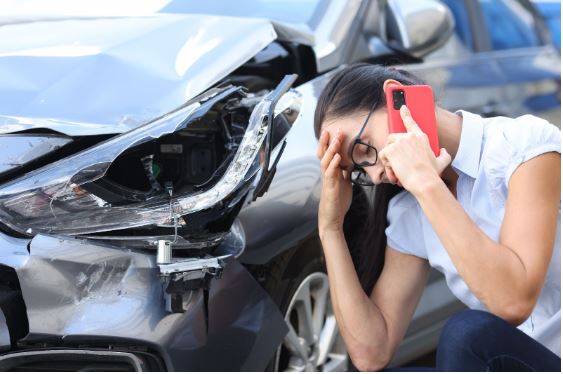 Check for Safety First Safety is the number one priority even when the accident looks minor. Start by checking yourself, then any passengers. You might feel fine at first, but shock can hide symptoms that appear later. If anyone feels dizzy, confused, or has visible injuries, call emergency services immediately. Also, avoid moving someone who is seriously hurt unless there is an immediate danger like fire or traffic. If the cars are blocking a busy road or creating a hazard, and it’s safe to do so, move them to the shoulder. Turn on your hazard lights. These little steps protect you and the other drivers and prevent the situation from getting worse. Plenty of people skip these things when they feel overwhelmed, but taking thirty seconds to do them can make a difference. Contact Law Enforcement Even when the accident seems minor, calling the police helps create an official record. Officers gather important details, take statements, and write a report that will matter later for insurance claims. Some people think that exchanging information without police is fine, but that can create problems if stories change or details get fuzzy. If the area is busy or you are unsure about what to say, let the officer guide the conversation. They know what questions to ask. Be honest about what you saw, and don't guess about anything you aren’t sure of. A simple “I’m not certain” is better than filling in the blanks. Exchange Information the Easy Way The next step is getting the right information from the other driver. This part usually feels awkward, especially if someone is upset, frustrated, or trying to blame the other person. Try to stay polite. You only need a few things: Full name and contact info- - Insurance provider and policy number - License plate numbers - Photos of the vehicles and damage - Photos of the scene, skid marks, road signs, or anything that seems relevant Taking photos is one of the most helpful parts because memories get blurry, and lighting or positioning of the cars might show more than you realized at the time. If there were witnesses, ask for their names and phone numbers. People often leave quickly, and it helps to catch them before they go. Document Everything You Can Remember Right after a collision, your thoughts jump around and it’s easy to forget small details. As soon as you get a quiet moment, jot down everything you can remember about what happened. Include the weather, traffic, the direction each car was traveling, and what you were doing in the seconds before impact. Try to write naturally, even if it feels messy. These notes are more important than people realize because claims adjusters and repair professionals might need clarity later. A tiny detail like a blinking yellow arrow or a patch of ice on the shoulder can change how the whole event is understood. Seek Medical Attention Even If You Feel Fine A surprising number of accident injuries don’t show up for hours or even days. Whiplash, muscle strains, mild concussions, and soft tissue injuries often feel like nothing at first because your adrenaline is still high. Consider getting checked by a doctor, especially if you feel stiff, lightheaded, or unusually tired. Going early gives you a medical record that links your symptoms to the accident. That can matter for insurance, but it also protects your health. Many people tough it out only to realize later that they should have taken the first signs more seriously. Contact Your Insurance Provider Once immediate concerns are handled, call your insurance provider. Some folks dread this part, but it’s usually more straightforward than expected. They will guide you through what information they need, how to file a claim, and what deadlines you should know about. Avoid delaying this step because waiting too long can complicate the process. If you gathered photos, details, and contact information earlier, this conversation becomes much easier. The representative may also tell you which repair shops they work with or what options you have. Understand Your Repair Options When the dust settles, repairing the vehicle becomes the next big decision. People sometimes choose the first shop they find, but taking a little time to compare quality, experience, and turnaround times can save a lot of frustration. Look for a shop that communicates clearly, shows you the damage, and explains the steps they’ll take. This can include structural repairs, paint matching, alignment checks, and diagnostic scans. Modern vehicles rely heavily on sensors and electronics, so a proper repair goes far beyond fixing dents. Reading online reviews or asking friends for recommendations can help. A good repair shop feels honest and patient. They don’t rush your questions or hide details. Keep Track of Repair Updates Once repairs begin, try to keep a simple timeline. Note when the car goes into the shop, what work they plan to do, and when they expect it to be ready. Sometimes repairs take longer because of delayed parts or additional damage discovered after removing panels. If the shop calls with updates, jot down what they said. This keeps everything organized if you need to reference it later. Most shops appreciate when a customer is engaged but not combative. Clear communication on both sides keeps the process moving. Consider the Emotional Side Accidents shake more than your schedule and your car. Some people find themselves nervous about driving again, especially in the spot where the collision happened. Others feel angry or embarrassed. These reactions are normal. Give yourself some space. You don’t have to pretend you feel fine if something is weighing on you. Talking with a friend or even taking shorter, calmer drives at first can help your confidence return. The emotional side of recovery matters just as much as the practical steps. Prepare Yourself for Next Time After everything is settled, consider updating your glovebox with items that make future situations easier. A small notepad, pen, emergency contact list, and a printed checklist of what to do after an accident can save you from scrambling. You could also keep a phone charger, simple first aid supplies, and a flashlight nearby. These little things make stressful moments feel more manageable and remind you that planning ahead pays off. Final Thoughts Handling a collision accident is never pleasant, but knowing the right steps helps you stay calm and protect yourself. Checking for safety, documenting what happened, talking to the police, and communicating with your insurance provider form the backbone of a smooth recovery. Your car, your health, and your peace of mind all benefit when you take things one step at a time. |
| Created | 22 Jun 2020 |
| Total credit | 148 |
| Recent average credit | 0 |
| Cross-project stats | BOINCstats.com Free-DC SETIBZH |
| Country | International |
| Type | Other |
| Members | |
| Founder | Rosarito Soby |
| New members in last day | 0 |
| Total members | 0 (view) |
| Active members | 0 (view) |
| Members with credit | 0 (view) |
Copyright © 2026 Arizona State University