Hiring an Electrician
Top Questions to Ask Before Hiring an Electrician| Team info | |
|---|---|
| Description | 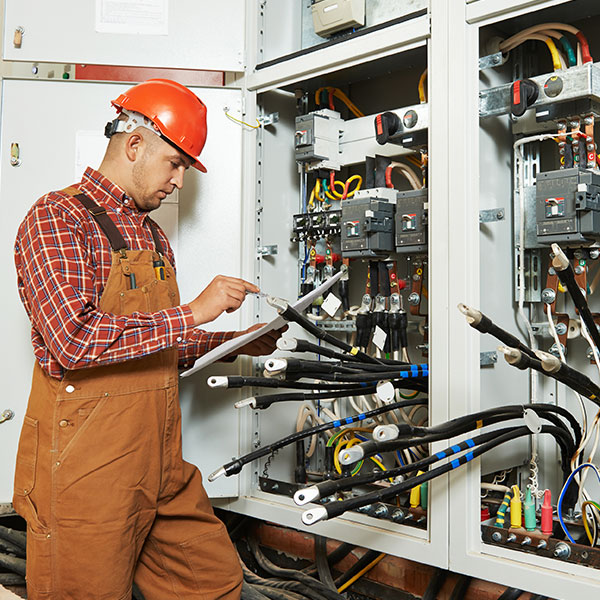 When it comes to home improvement, some projects can be handled with a little DIY spirit, but electrical work is rarely one of them. Whether you are upgrading an old system, installing new lighting, or troubleshooting problems, hiring the right electrician matters more than many homeowners realize. A simple search for an electric company in Denver will show you just how many professionals are out there, but sorting through them can feel overwhelming. Asking the right questions is the key to finding someone trustworthy, skilled, and dependable. Are You Licensed and Insured? This should be the very first question you ask. A licensed electrician has proven they meet state or local requirements for knowledge and safety. Insurance, on the other hand, protects both you and the electrician if something goes wrong. Without it, you could be left paying out of pocket for damages or injuries. Always ask for proof and don’t just take a verbal confirmation. Responsible contractors expect this question and should provide documents without hesitation. What Type of Work Do You Specialize In? Not all electricians handle the same type of projects. Some focus mainly on residential repairs, while others work primarily on large-scale commercial jobs. If you need a home rewiring or a new breaker panel, you’ll want someone who does that regularly. Hiring a professional who specializes in your type of project increases efficiency and reduces the chance of errors. It also means they’ll likely be familiar with the codes and permits specific to your situation. Can You Provide References? Good electricians build long-term relationships with clients. If they’ve been working in the community for a while, they should have plenty of satisfied customers willing to vouch for them. Ask for references from recent jobs, ideally ones similar to yours. A quick phone call or even an email exchange can tell you a lot about reliability, communication, and quality of work. Online reviews are helpful too, but direct references carry more weight since they are harder to fake. Do You Offer Written Estimates? Money is always a sensitive subject, especially with home repairs. A trustworthy electrician will provide a detailed written estimate before starting any work. This should include labor costs, materials, and possible additional fees. Be cautious if you get vague answers or if someone refuses to put numbers on paper. A clear estimate not only helps with budgeting but also prevents disputes later on. Keep in mind that the cheapest bid isn’t always the best one, quality and safety are worth paying for. How Do You Handle Permits and Inspections? Many electrical jobs require permits, especially if they involve major changes to wiring, panels, or service upgrades. Some homeowners don’t realize this until they run into trouble during a sale or insurance claim. A professional electrician should know exactly which permits are needed and handle the paperwork for you. They should also be comfortable arranging and passing inspections. If an electrician suggests skipping these steps, that’s a red flag. Who Will Be Doing the Work? Larger companies often send out apprentices or subcontractors. There’s nothing wrong with that, as long as the person is supervised by a licensed electrician. However, you have a right to know who will be in your home and what qualifications they hold. Ask about the team structure and make sure a licensed professional oversees the project. This prevents mistakes and ensures accountability if issues arise. Do You Guarantee Your Work? Electrical work should be done right the first time, but mistakes happen. A reputable electrician usually offers a warranty or guarantee for a certain period. This shows confidence in their work and gives you peace of mind. Ask what the guarantee covers, whether it’s just parts or both labor and parts. Written guarantees are always better than verbal promises, so try to get it documented in your contract. What’s Your Availability? Some projects are urgent, like a breaker constantly tripping or an outlet sparking. Others are more flexible, like upgrading lighting fixtures. Ask about scheduling and how quickly they can start. An electrician who’s booked out for months may not be the right fit if you have immediate safety concerns. At the same time, someone who’s available tomorrow with no other work lined up could be a red flag. Balance urgency with the reputation and quality of the electrician. How Do You Communicate During the Job? Clear communication prevents misunderstandings. Ask how they’ll update you about progress, delays, or unexpected issues. Some electricians prefer phone calls, others rely on texts or emails. You’ll want someone who explains problems in plain language rather than drowning you in jargon. A contractor who listens to your concerns and explains options respectfully is far easier to work with than one who brushes you off. What Safety Measures Do You Follow? Electricity is dangerous, and cutting corners can lead to fires or injuries. Ask about the they follow on the job. This could include using protective gear, shutting off circuits properly, and keeping the work area clean. A professional should also be knowledgeable about local building codes. Safety isn’t just about protecting the electrician, it’s also about protecting your home and family. How Do You Handle Unexpected Issues? Even simple electrical jobs can reveal hidden problems once walls are opened or circuits are tested. Ask how the electrician approaches surprises. Do they stop and get your approval before adding charges, or do they fix it and present a bigger bill later? A good electrician will be upfront about the possibility of unexpected costs and explain how they’ll keep you informed. This honesty makes a big difference in avoiding frustration. Do You Offer Maintenance or Follow-Up Services? Some electricians finish the job and never return, while others offer follow-up services. Regular maintenance can extend the life of your electrical system and prevent expensive repairs down the line. Even if you don’t need a service plan, it’s worth asking whether they provide ongoing support. Building a long-term relationship with a reliable electrician can save you time and stress in the future. Red Flags to Watch Out For While most electricians are professionals who care about their work, there are a few warning signs you should not ignore: - Refusal to provide proof of license or insurance - No written estimates or contracts - Unwillingness to discuss permits or inspections - Pressure to make quick decisions without clear explanations - Extremely low bids that seem too good to be true If you notice any of these, keep looking. Your safety and your home’s value aren’t worth the risk. Final Thoughts Hiring the right electrician doesn’t have to be stressful. By asking these questions, you’ll gain insight into the person’s experience, professionalism, and approach to safety. Take your time, compare a few options, and don’t be afraid to trust your instincts. The right choice can mean the difference between a smooth, successful project and a costly headache later on. |
| Created | 5 Mar 2020 |
| Total credit | 276 |
| Recent average credit | 0 |
| Cross-project stats | SETIBZH BOINCstats.com Free-DC |
| Country | United Kingdom |
| Type | Other |
| Members | |
| Founder | Rosarito Soby |
| New members in last day | 0 |
| Total members | 0 (view) |
| Active members | 0 (view) |
| Members with credit | 0 (view) |
Copyright © 2026 Arizona State University