Denver Sports
| Team info | |
|---|---|
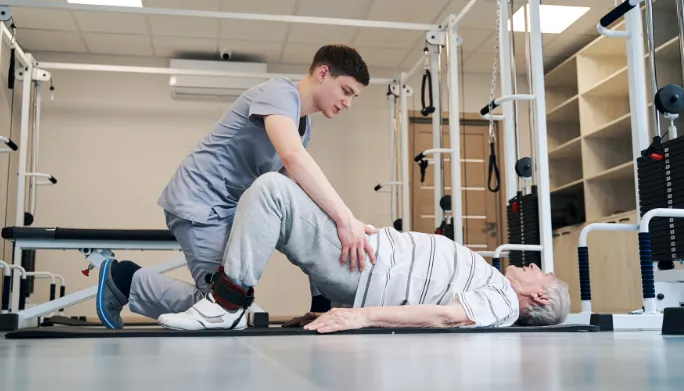
| Description | Staying active is great, until something starts to hurt. Whether it’s from training too hard, moving the wrong way, or just doing what you love day after day, your body takes a beating. That’s where Denver sports therapy comes in. It’s not just for pros or people recovering from injury, either. Anyone who runs, lifts, bikes, skis, climbs, or plays sports can benefit. Even if you’re not technically injured, your muscles might be tight, your joints may not be moving right, or your balance could be off. All of that adds up, and it can slow you down or set you up for a more serious issue later. Faster Recovery After Workouts and Events If you’re sore for days after a big lift or long run, that’s not just part of being active. It might be a sign your body needs a little more support. Sports therapy can help your muscles recover faster by improving circulation, flushing out waste products, and calming inflammation.
Techniques like manual therapy, cupping, active release, and assisted stretching all work together to reduce recovery time. That means you can train more consistently without feeling worn down all the time. Over time, that adds up to better performance and fewer missed sessions. Injury Prevention Is Better Than Rehab Most people wait until something breaks before they do something about it. That’s backwards. A skilled sports therapist can spot problems before you feel pain. Tight hips, weak glutes, and poor ankle mobility are all common culprits that lead to injury. A good therapist doesn’t just rub sore spots. They assess how your body moves, how you compensate, and what needs to change. Sometimes a few simple corrections to posture, movement, or mobility are all it takes to stop nagging pain from becoming a sidelining injury. Individualized Treatment for Your Sport What a climber needs isn’t the same as what a soccer player or a powerlifter needs. The movement patterns, loads, and stress points are totally different. That’s one reason why generic advice doesn’t cut it. Sports therapy focuses on your specific activity and how your body handles it. If your shoulders hurt after swimming, or your knees ache on long hikes, a one-size-fits-all approach won’t solve it. But when therapy is tailored to your sport, it gets results faster. That’s the difference between a random massage and targeted treatment from someone who understands athletic performance. Improving Mobility and Flexibility A lot of athletes stretch, but they’re not always stretching the right things or the right way. And sometimes the issue isn’t that a muscle is tight, but that another one isn’t doing its job. That’s where mobility work and soft tissue therapy come in. Better flexibility and joint range of motion can unlock more power and better control. For example, a more mobile thoracic spine helps you rotate during a golf swing or throw. Looser hip flexors improve stride length and reduce back strain. These things aren’t just about being limber. They’re about being efficient and pain-free. Better Body Awareness and Movement Quality Some people think they move well because they’ve never had a major injury. But movement quality is about more than just avoiding pain. It’s about coordination, stability, and knowing how your body feels and responds. Sports therapy often includes movement retraining, teaching your body to activate the right muscles at the right time. This can improve balance, timing, and overall body awareness. Over time, it creates a smoother, more controlled movement pattern that holds up better under stress. Performance Gains Without More Work This one surprises people. Sometimes, the fastest way to improve isn’t adding more training. It’s fixing what’s holding you back. A joint that won’t move properly or a muscle that’s not firing can limit your performance without you realizing it. Once those limitations are addressed, you can move more efficiently, generate more power, and stay in better alignment. That doesn’t just feel better. It performs better. You might lift more, run faster, or recover quicker, and you didn’t even have to train harder. Support During Rehabilitation Of course, if you do get injured, sports therapy can be an essential part of rehab. It’s not about lying on a table while someone ices your leg. It’s about active recovery, strengthening the weak links, and retraining your body to move well again. Good rehab bridges the gap between just feeling “okay” and actually being ready to perform again. That’s what sets sports therapy apart from traditional PT in many cases. It’s focused on performance, not just function. Tools and Techniques You Might Encounter Different therapists use different tools, and some will work better than others depending on your situation. Some of the more common ones include:
You won’t need all of these, but when used appropriately, they can speed up recovery and boost results. Mental Boost and Motivation There’s something to be said for just feeling like your body is being taken care of. Regular therapy can help you feel less beat up, more connected, and more confident in your body. That mental shift can carry over into your workouts. If you’ve ever felt stuck in a rut or nervous about pushing too hard because something feels off, sports therapy can help break through that. When your body moves better and hurts less, your mind follows. Not Just for the Injured or Elite You don’t have to be broken or a professional athlete to deserve this kind of care. In fact, active adults, weekend warriors, and anyone who uses their body regularly may benefit the most. If you’re skiing in the winter, hiking in the summer, lifting a few times a week, or just chasing your kids around, you’re using the same tissues, joints, and muscles the pros are. Just with different goals. Taking care of your body doesn’t mean you’re soft. It means you’re smart. Investing in prevention, performance, and recovery now can save you a lot of time, pain, and money down the road. Wrapping Up Denver sports therapy isn’t a luxury or a last resort. It’s a tool for staying strong, moving well, and avoiding the common wear and tear that active people deal with. From better recovery to injury prevention and improved performance, it’s one of the smartest things you can do for your body, whether you’re running marathons or just trying to stay healthy and mobile. Treat your body like it’s going to carry you for decades. Because it probably will. |
| Created | 30 Oct 2019 |
| Total credit | 7 |
| Recent average credit | 0 |
| Cross-project stats | BOINCstats.com Free-DC SETIBZH |
| Country | International |
| Type | Other |
| Members | |
| Founder | Rosarito Soby |
| New members in last day | 0 |
| Total members | 0 (view) |
| Active members | 0 (view) |
| Members with credit | 0 (view) |
Copyright © 2026 Arizona State University