INSPECTION
Do Electricians Do Home Inspections?| Team info | |
|---|---|
| Description | 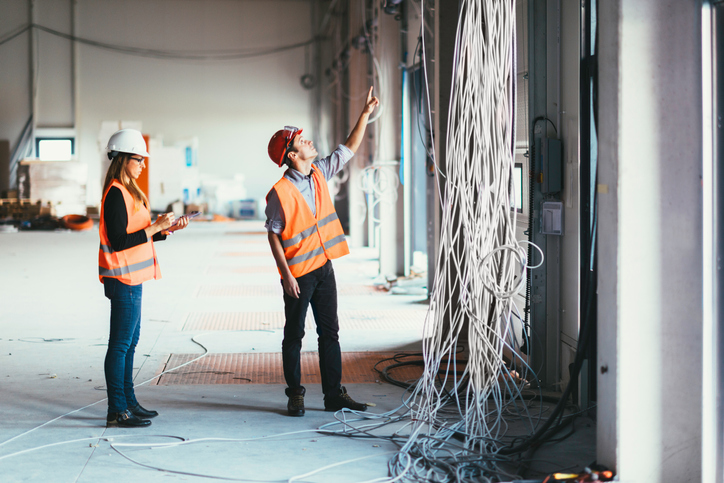 When it comes to ensuring the safety and functionality of a home’s electrical system, many homeowners wonder if electricians are the ones who perform home inspections. While residential electricians play a crucial role in maintaining and repairing electrical systems, the answer to this question is not as straightforward as you might think. According to the National Fire Protection Association, electrical failures or malfunctions are the second leading cause of U.S. home fires, accounting for 13% of home structure fires. This statistic underscores the importance of proper electrical inspections and maintenance in residential properties. Understanding Home Inspections Home inspections are comprehensive evaluations of a property’s condition, typically conducted when buying or selling a home. These inspections cover various aspects of the house, including the foundation, roof, plumbing, and electrical systems. General Home Inspectors vs. Specialized Electricians While general home inspectors are trained to assess multiple aspects of a property, including basic electrical components, they are not specialized electricians. General home inspectors can identify visible electrical issues and potential safety hazards, but they may not have the in-depth knowledge and expertise of a licensed electrician. The Role of Residential Electricians Residential electricians are specialized professionals who focus solely on electrical systems. They are trained to install, maintain, repair, and upgrade electrical components in homes. While they don’t typically perform comprehensive home inspections, they play a crucial role in ensuring the safety and efficiency of a home’s electrical system. When Electricians Conduct Inspections Although residential electricians don’t usually perform general home inspections, there are specific situations where they may be called upon to conduct electrical inspections: 1. Specialized Electrical Inspections When a more detailed assessment of a home’s electrical system is required, a residential electrician may be hired to perform a specialized electrical inspection. This type of inspection goes beyond what a general home inspector would typically cover. 2. New Construction or Renovations Electricians are often involved in inspecting newly installed electrical systems in new constructions or after major renovations. These inspections ensure that all electrical work meets local building codes and safety standards. 3. Troubleshooting Specific Issues If a homeowner or general inspector identifies potential electrical problems, a residential electrician may be called to conduct a focused inspection to diagnose and address these issues. The Electrical Inspection Process When a residential electrician conducts an electrical inspection, they typically follow a comprehensive process to ensure the safety and functionality of the home’s electrical system. Visual Inspection The electrician begins with a visual inspection of the electrical components, including: - The main electrical panel - Circuit breakers - Wiring - Outlets - Switches - Light fixtures They look for signs of wear, damage, or improper installation that could pose safety risks. Testing Electrical Components Using specialized tools, the electrician tests various electrical components to ensure they are functioning correctly. This may include: - Checking voltage levels - Testing ground fault circuit interrupters (GFCIs) - Verifying proper grounding - Assessing the capacity of the electrical system Code Compliance Check An important aspect of the inspection is ensuring that the electrical system complies with current electrical codes and standards. This includes checking for: - Proper wire gauges - Correct circuit breaker sizes - Adequate number of outlets in each room - Proper installation of safety devices like GFCIs and AFCIs Documentation and Reporting After completing the inspection, the electrician typically provides a detailed report of their findings. This report may include: - A list of identified issues - Recommendations for repairs or upgrades - Potential safety hazards that need immediate attention Benefits of Electrician-Conducted Inspections While general home inspectors provide valuable insights into a property’s overall condition, there are distinct advantages to having a residential electrician conduct a specialized electrical inspection: 1. Expertise and Specialization Electricians have in-depth knowledge of electrical systems and are trained to identify issues that may not be apparent to general inspectors. 2. Detailed Assessment An electrician can provide a more thorough evaluation of the electrical system, including load calculations and capacity assessments. 3. Safety Assurance With their specialized training, electricians are better equipped to identify potential safety hazards and recommend appropriate solutions. 4. Code Compliance Electricians stay up-to-date with the latest electrical codes and can ensure that a home’s electrical system meets current standards. 5. Repair and Upgrade Recommendations In addition to identifying issues, electricians can provide expert advice on necessary repairs and potential upgrades to improve the system’s efficiency and safety. When to Consider an Electrical Inspection There are several situations where homeowners should consider hiring a residential electrician for an electrical inspection: 1. Purchasing an Older Home Older homes may have outdated electrical systems that don’t meet current safety standards. An electrical inspection can identify potential hazards and necessary upgrades. 2. Recurring Electrical Issues If you’re experiencing frequent circuit breaker trips, flickering lights, or other persistent electrical problems, an inspection can help identify the root cause. 3. Home Renovations or Additions Before undertaking major renovations or adding new electrical loads to your home, an inspection can determine if your current system can handle the increased demand. 4. After a Natural Disaster Floods, earthquakes, or severe storms can damage electrical systems. An inspection can ensure your home’s electrical components are safe and functioning properly. 5. Regular Maintenance Even if you’re not experiencing issues, periodic electrical inspections (every 5-10 years) can help maintain the safety and efficiency of your home’s electrical system. Choosing the Right Professional for Electrical Inspections When it comes to electrical inspections, it’s crucial to choose the right professional for the job. Here are some factors to consider: Licensing and Certification Ensure that the electrician you hire is licensed and certified to perform electrical work in your area. This guarantees that they have the necessary training and knowledge to conduct a thorough inspection. Experience Look for electricians with extensive experience in residential electrical systems. Experienced professionals are more likely to identify potential issues and provide valuable insights. Reputation and Reviews Research the electrician’s reputation by reading online reviews and asking for references. A reputable electrician should have a track record of satisfied customers. Insurance Verify that the electrician carries liability insurance to protect you in case of accidents or damages during the inspection process. Clear Communication Choose an electrician who can explain their findings in clear, understandable terms. They should be willing to answer your questions and provide detailed explanations of any issues they identify. Final Thoughts While residential electricians don’t typically perform general home inspections, they play a crucial role in ensuring the safety and functionality of a home’s electrical system. Their specialized knowledge and expertise make them invaluable for conducting detailed electrical inspections, particularly in situations where a more in-depth assessment is required. For homeowners, understanding the distinction between general home inspections and specialized electrical inspections is essential. By recognizing when to call in a residential electrician for an inspection, you can ensure that your home’s electrical system is safe, efficient, and up to code. Remember, electrical safety is not something to be taken lightly. Regular inspections by qualified professionals can prevent potential hazards, save money on future repairs, and provide peace of mind for you and your family. Whether you’re buying a new home, renovating an existing property, or simply maintaining your current residence, consider the value of a thorough electrical inspection conducted by a licensed residential electrician. |
| Created | 13 Sep 2011 |
| Total credit | 0 |
| Recent average credit | 0 |
| Cross-project stats | SETIBZH BOINCstats.com Free-DC |
| Country | None |
| Type | Other |
| Members | |
| Founder | Rosarito Soby |
| New members in last day | 0 |
| Total members | 0 (view) |
| Active members | 0 (view) |
| Members with credit | 0 (view) |
Copyright © 2026 Arizona State University