Flat Roofing
Why Flat Roofing Is the Best Choice for Commercial Buildings| Team info | |
|---|---|
| Description | 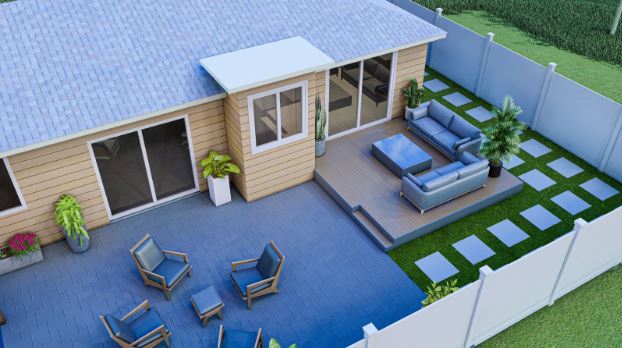 Flat roofing has become a familiar sight on warehouses, office parks, retail centers, and industrial facilities. It is not just a design trend either. For many building owners, it simply makes more sense from a cost, maintenance, and usability standpoint. When you step back and look at how commercial buildings are actually used day to day, flat roofs tend to line up well with real-world needs. In the world of commercial flat roofing, practicality matters more than appearance alone. Business owners care about durability, predictable costs, and systems that do not require constant attention. Flat roofing checks those boxes more often than not, especially when installed and maintained properly. Designed for Large-Scale Buildings Commercial buildings are usually wide, expansive structures. Flat roofs work naturally with these footprints. They allow contractors to cover large areas efficiently without complex framing or steep angles. This simpler structure often translates into fewer materials and faster installation times. That can be important when a project needs to stay on schedule or minimize downtime for tenants. A flatter design also reduces the amount of wasted space between roof deck and ceiling, which some buildings use for utilities or insulation upgrades later on. Cost Efficiency That Makes Sense Long Term One of the biggest reasons flat roofs remain popular is cost. Initial installation is often less expensive compared to pitched systems, especially on large buildings. Fewer materials, less labor complexity, and faster timelines all play a role. Long-term costs matter just as much. Flat roofs are generally easier to inspect and repair. When an issue shows up, crews can access the surface safely and quickly, which helps keep small problems from turning into big ones. Over time, that ease of access can save a lot of money. Easier Maintenance and Inspections Maintenance is unavoidable on any roof, but flat systems simplify the process. Crews can walk the surface, inspect seams, and spot pooling or membrane damage without special equipment. Routine maintenance often includes clearing debris, checking drains, and resealing vulnerable areas. These tasks are quicker on a flat roof, which lowers service costs and reduces disruption to daily operations inside the building. When issues do arise, they are usually easier to pinpoint. That saves time and avoids unnecessary repairs in areas that are still in good shape. Strong Performance in Commercial Environments Modern flat roofing materials are built to handle tough conditions. Systems like TPO, EPDM, and modified bitumen are designed for temperature swings, UV exposure, and heavy rain. Many flat roofs are also engineered with slight slopes that guide water toward drains, even if the surface looks level to the eye. When properly designed, drainage works efficiently and helps prevent standing water from becoming an issue. These systems perform especially well on buildings with constant HVAC use, rooftop equipment, and foot traffic, which is common in commercial settings. Ideal for Rooftop Equipment and Utilities Commercial buildings often rely on rooftop units for heating, cooling, ventilation, and communications. Flat roofs make installing and servicing this equipment much easier. Technicians can access units safely without navigating steep angles. Equipment can be spread out logically, reducing congestion and improving airflow. Over time, that can even extend the life of HVAC systems by making routine service easier and more consistent. Flat roofs also allow room for future upgrades. As technology changes, building owners can add or relocate equipment without reworking the entire roof structure. Flexible Use of Roof Space A flat roof opens up possibilities that pitched roofs simply cannot offer. Some buildings use the space for solar panels, which are installed more easily on level surfaces and can be angled precisely for efficiency. Others turn rooftops into usable areas, such as break spaces or green roofs. These features can improve employee satisfaction and even reduce heat absorption on the building. Common uses for flat commercial roofs include: - Solar energy systems - Rooftop HVAC and mechanical equipment - Green roof installations - Outdoor staff or tenant spaces - Satellite and communication arrays This flexibility adds value without expanding the building footprint. Energy Efficiency Benefits Flat roofs can contribute to better energy performance when paired with the right materials. Many modern membranes are reflective, helping reduce heat absorption during warmer months. Improved insulation options are another benefit. Flat systems often allow for continuous insulation layers, which minimize thermal bridging and help maintain consistent indoor temperatures. Lower energy demand means lower utility bills, something every business appreciates. Over time, these savings can be significant, especially in larger facilities with high heating or cooling needs. Faster Repairs and Reduced Downtime When a roof problem happens, speed matters. Leaks can disrupt operations, damage inventory, and frustrate tenants. Flat roofs allow crews to respond quickly. Because access is easier and problem areas are more visible, repairs often take less time. That means fewer interruptions and faster return to normal operations. For businesses that cannot afford extended downtime, this is a major advantage. Even planned repairs or upgrades tend to be less disruptive, since work can be staged efficiently across the roof surface. Adaptable to Different Climates Flat roofing systems are used successfully in many climates, from hot and dry regions to areas with heavy rain or snow. The key is selecting the right material and ensuring proper drainage design. In colder climates, flat roofs can support insulation systems that help manage snow load and ice buildup. In warmer regions, reflective membranes help control interior temperatures. Because the systems are modular and adaptable, they can be tailored to local conditions without redesigning the entire building. Predictable Lifecycle and Planning Commercial building owners appreciate predictability. Flat roofs tend to have well understood lifespans, especially with routine maintenance. Knowing when a roof will likely need replacement helps with long term budgeting. Many systems also allow for overlays, where a new membrane is installed over the old one, reducing tear off costs and landfill waste. This predictability makes flat roofing easier to plan around, especially for property managers overseeing multiple buildings. A Practical Choice for Modern Businesses At the end of the day, flat roofing aligns with how commercial buildings are actually used. It supports equipment, adapts to future needs, and keeps maintenance manageable. The design may look simple, but it is backed by decades of real world performance. For businesses focused on efficiency, flexibility, and long term value, flat roofs continue to be a smart and dependable option. With the right materials and proper care, they quietly do their job year after year, which is exactly what most commercial owners want. |
| Created | 13 Sep 2011 |
| Total credit | 15,120 |
| Recent average credit | 0 |
| Badges |  |
| Cross-project stats | BOINCstats.com Free-DC SETIBZH |
| Country | Romania |
| Type | Other |
| Members | |
| Founder | Rosarito Soby |
| New members in last day | 0 |
| Total members | 0 (view) |
| Active members | 0 (view) |
| Members with credit | 0 (view) |
Copyright © 2026 Arizona State University