Fire Watch Guards: Essential Services for Businesses
Fire Watch Guards: Essential Services for Businesses Operating in High-Risk Areas| Team info | |
|---|---|
| Description | High-risk environments such as construction sites, chemical storage facilities, and areas undergoing maintenance often face increased fire hazards that require constant oversight. Equipment malfunctions, hot work operations, and temporary outages of fire protection systems can quickly create conditions where a rapid response is critical. To maintain safe operations and meet fire code requirements, businesses must ensure continuous monitoring and effective emergency coverage. A proactive approach to fire safety helps reduce risk and supports uninterrupted operations, even in complex working conditions. When immediate on-site supervision is required, many organizations search for Fire Watch Guards Near Me to find trained professionals who can monitor conditions, identify hazards early, and respond quickly when risks arise. Fire watch personnel play a key role in maintaining workplace safety, supporting regulatory compliance, and protecting operations during high-risk activities or system outages. This article explains how fire watch guards help reduce fire risk and support safe, compliant operations. 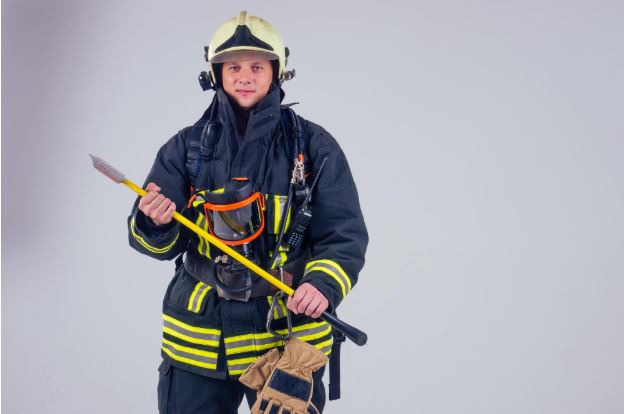 What Are Fire Watch Guards and Why Are They Crucial? A fire watch guard is a trained professional assigned to monitor areas for fire hazards, particularly in environments where there is an elevated risk of fire, such as those that involve high-heat operations, hazardous materials, or impaired fire protection systems. The role of fire watch guards goes beyond simply watching for flames; they actively monitor for conditions that could lead to a fire, prevent the spread of fire, and take immediate action to extinguish fires before they escalate. In industrial environments, there are times when automatic fire detection systems (like alarms or sprinklers) are either unavailable or insufficient. This could be due to maintenance, system failure, or the nature of the work being conducted. Fire watch guards serve as the last line of defense during these high-risk operations, ensuring that fires are prevented or quickly contained. For example, in a construction zone where welding or cutting activities are taking place near flammable materials, fire watch guards are assigned to observe for sparks or signs of combustion. Their job is to ensure that no fire breaks out, or if it does, to address it before it spreads out of control. When Are Fire Watch Guards Required? Fire watch services are required in several high-risk situations. Here are the most common scenarios where fire watch is essential: 1. Hot Work Operations Hot work, such as welding, cutting, grinding, or any other activity that produces heat, sparks, or flames, is one of the primary reasons fire watch services are mandated. In environments where these activities are conducted, the potential for fire is greatly increased. Sparks or heat can easily ignite combustible materials, leading to catastrophic fires if left unchecked. Under OSHA and NFPA guidelines, a fire watch is required during and after hot work operations. OSHA’s regulations specifically mandate that fire watch guards be present when hot work is performed in areas where flammable materials are present. Fire watch guards are required to remain on-site for a specified time after the operation ends to ensure there are no smoldering fires or sparks that could ignite nearby combustibles. For instance, in a metalworking facility, when cutting or welding operations are conducted near a pile of combustible materials, fire watch guards are deployed to monitor the area for potential risks. The guards stay vigilant for at least 30 minutes (and sometimes longer, depending on the materials and operations) after the hot work is completed to ensure the area is safe. 2. Impaired Fire Protection Systems Fire protection systems like sprinklers and alarms are vital for detecting and suppressing fires in any industrial environment. However, these systems can sometimes be impaired due to maintenance, testing, or system failure. During these periods of impairment, fire watch services are crucial to ensure that the facility remains protected in the absence of automated fire suppression systems. According to NFPA 25 and OSHA regulations, when a fire protection system is out of service for more than four hours in a 24-hour period, fire watch guards must be deployed to monitor the affected area. This is especially important in facilities where hazardous materials are stored or processed, as the lack of automatic protection increases the risk of fire. For example, in a chemical plant, the sprinkler system may be temporarily taken offline for repairs. During this time, a fire watch guard would be stationed to monitor the area, ensuring that if a fire starts, it is quickly detected and dealt with before it can spread. 3. High-Risk Environments Involving Hazardous Materials In industrial environments where hazardous materials are handled, such as chemical plants, storage facilities, and warehouses, the risk of fire is heightened. Hazardous materials, such as solvents, gases, and oils, are highly flammable and can combust easily when exposed to heat, sparks, or open flames. Fire watch guards are often deployed in these settings during hot work or when fire protection systems are impaired. Their role is to continuously monitor for fire hazards, quickly extinguish small fires, and alert emergency responders if necessary. Their presence is especially important when dealing with volatile materials that can react quickly to ignition sources. For example, in a warehouse storing flammable chemicals, a fire watch guard may be assigned to monitor areas where equipment is being repaired or maintained. The fire watch guard ensures that no sparks or heat from the equipment come into contact with the chemicals, preventing a potentially catastrophic fire. Responsibilities of Fire Watch Guards The duties of fire watch guards are not limited to merely watching for signs of fire. They are actively engaged in preventing, detecting, and responding to fire hazards. Some of the key responsibilities include: Constant Vigilance: Fire watch guards must patrol the area to check for any signs of fire or sparks. They are trained to monitor hot work operations, equipment, and materials to ensure fire risks are minimized. Immediate Response: If a fire is detected, the fire watch guard must act quickly to contain it. This might involve using a fire extinguisher to put out a small fire or activating the fire alarm system to alert others in the facility. Post-Work Monitoring: After hot work operations are completed, fire watch guards are required to remain on-site for a specified period (usually 30-60 minutes) to ensure there are no smoldering fires that could flare up later. Documentation: Fire watch guards must maintain detailed logs of their observations and actions. These logs are important for ensuring compliance with OSHA, NFPA, and local fire marshal regulations. The logs also provide evidence of proper safety measures in case of an inspection or incident. Evacuation Assistance: In the event of a fire, fire watch guards help guide workers to safety. They assist with evacuations and ensure that all personnel leave the affected areas in a safe and orderly manner. Fire Watch Compliance: Meeting OSHA, NFPA, and Local Regulations Fire watch services are not just a safety measure; they are a regulatory requirement. OSHA and NFPA have clear guidelines that mandate fire watch services in certain situations. Failure to comply with these standards can result in serious penalties, including fines and shutdowns. For example, OSHA requires that fire watch guards be assigned when hot work is performed in areas with significant fire risks, and NFPA outlines specific requirements for fire watch during hot work operations, including post-work monitoring. Local fire marshals may also impose additional requirements depending on the facility's specific fire risks and operations. Staying compliant with these regulations not only ensures the safety of employees and property but also protects businesses from legal and financial repercussions. In environments with hazardous materials, the role of fire watch guards becomes even more critical, as they prevent fires that could have disastrous consequences. How to Choose the Right Fire Watch Provider Selecting a reliable fire watch service provider is critical to ensuring the safety of your workplace. Here are a few things to consider when hiring a provider: Experience and Industry Knowledge Choose a provider that has experience in your specific industry. For example, fire watch services in a chemical plant are different from those required on a construction site. An experienced provider will understand the unique risks and regulatory requirements for your industry. Training and Certification Make sure the fire watch guards are properly trained and certified in fire prevention, detection, and emergency response. They should be familiar with all fire safety regulations and procedures. Availability and Response Time Fire hazards can occur at any time, so it’s important to choose a provider that offers 24/7 fire watch services. A quick response time is essential, especially in emergency situations. For businesses looking for reliable fire watch services, consider searching for Fire Watch Guards Near Me. This can help you find experienced professionals who can provide the necessary fire watch services for your facility. Conclusion Fire watch guards are a critical component of fire safety in high-risk areas, particularly in environments where hazardous materials are handled. Their presence ensures that fire risks are continuously monitored, preventing small fires from becoming major incidents. Whether during hot work operations, system impairments, or in environments dealing with hazardous materials, fire watch services play a key role in maintaining safety and regulatory compliance. By choosing the right fire watch service provider, businesses can ensure that they are adequately prepared to handle fire risks and stay compliant with fire safety regulations. Don’t wait for a fire to occur—implement fire watch services today to protect your facility, employees, and assets. |
| Created | 23 Apr 2015 |
| Total credit | 0 |
| Recent average credit | 0 |
| Cross-project stats | SETIBZH BOINCstats.com Free-DC |
| Country | New Zealand |
| Type | Other |
| Members | |
| Founder | Rosarito Soby |
| New members in last day | 0 |
| Total members | 0 (view) |
| Active members | 0 (view) |
| Members with credit | 0 (view) |
Copyright © 2026 Arizona State University